










A modal is useful when a short task needs the reader's attention without leaving the page. A dark overlay alone does not make a component modal: keybo...
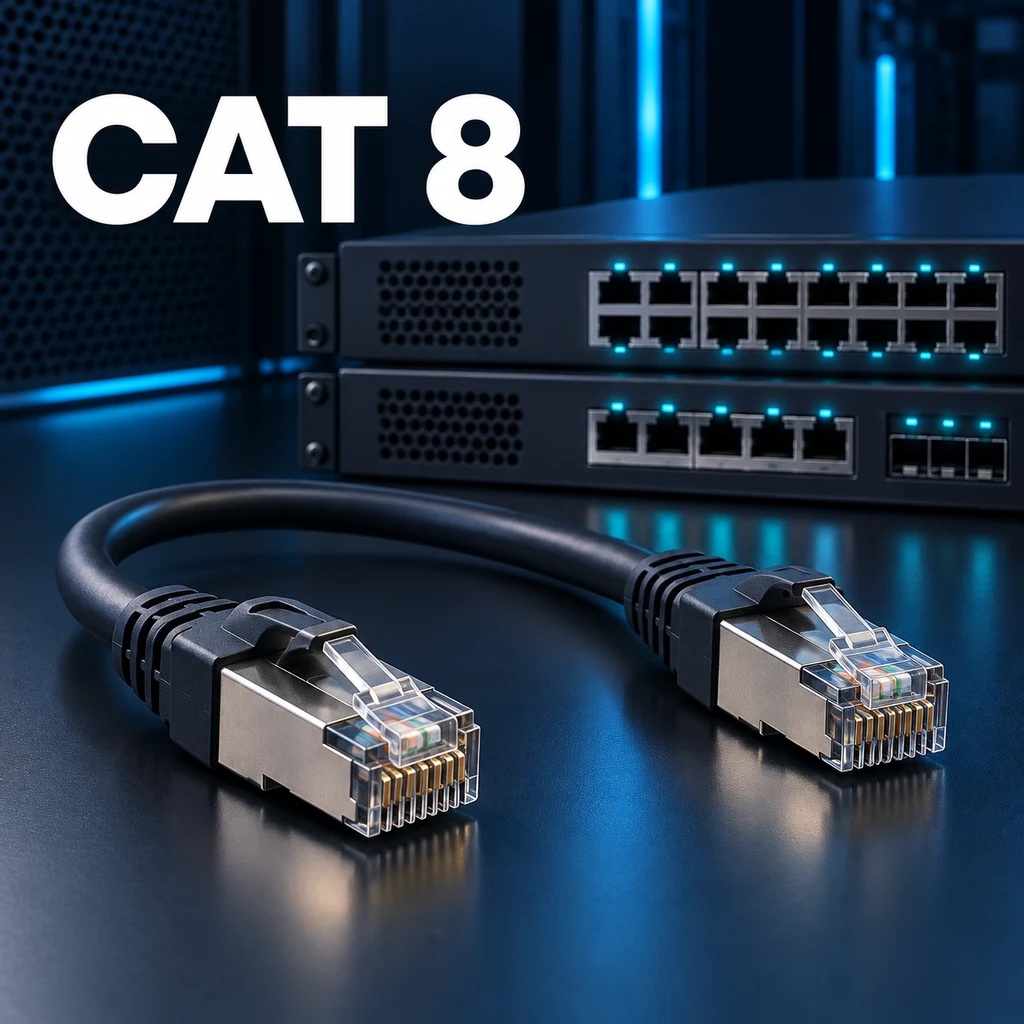
A 40 Gbit/s claim on a Cat8 cable does not give your router or computer a 40 Gbit/s port. Cat8 addresses high-rate Ethernet over short copper channels...

A cable marked Cat7 cannot upgrade an Ethernet port. If both endpoints support only 1 Gbit/s, replacing their cable with a higher category does not cr...

DHCP lets a client obtain network configuration from a service instead of entering every setting manually. That service may run inside a home router o...

A ping reply showing TTL=55 and a DNS record showing TTL=300 are not measuring the same thing. IP TTL constrains packet forwarding; DNS TTL describes ...

The box called a “modem” at home often combines several functions: access-line termination, routing, Ethernet switching and wireless access. Separatin...

A phone appearing twice in your router's device list does not necessarily mean an intruder has joined the network. The phone may be using a private Wi...

Packet loss means some transmitted packets do not reach their destination. A choppy call can be a symptom, but it is not a diagnosis: high latency, ch...

Changing a DNS record and moving every client to a new address are separate events. An authoritative server may publish the new answer while recursive...
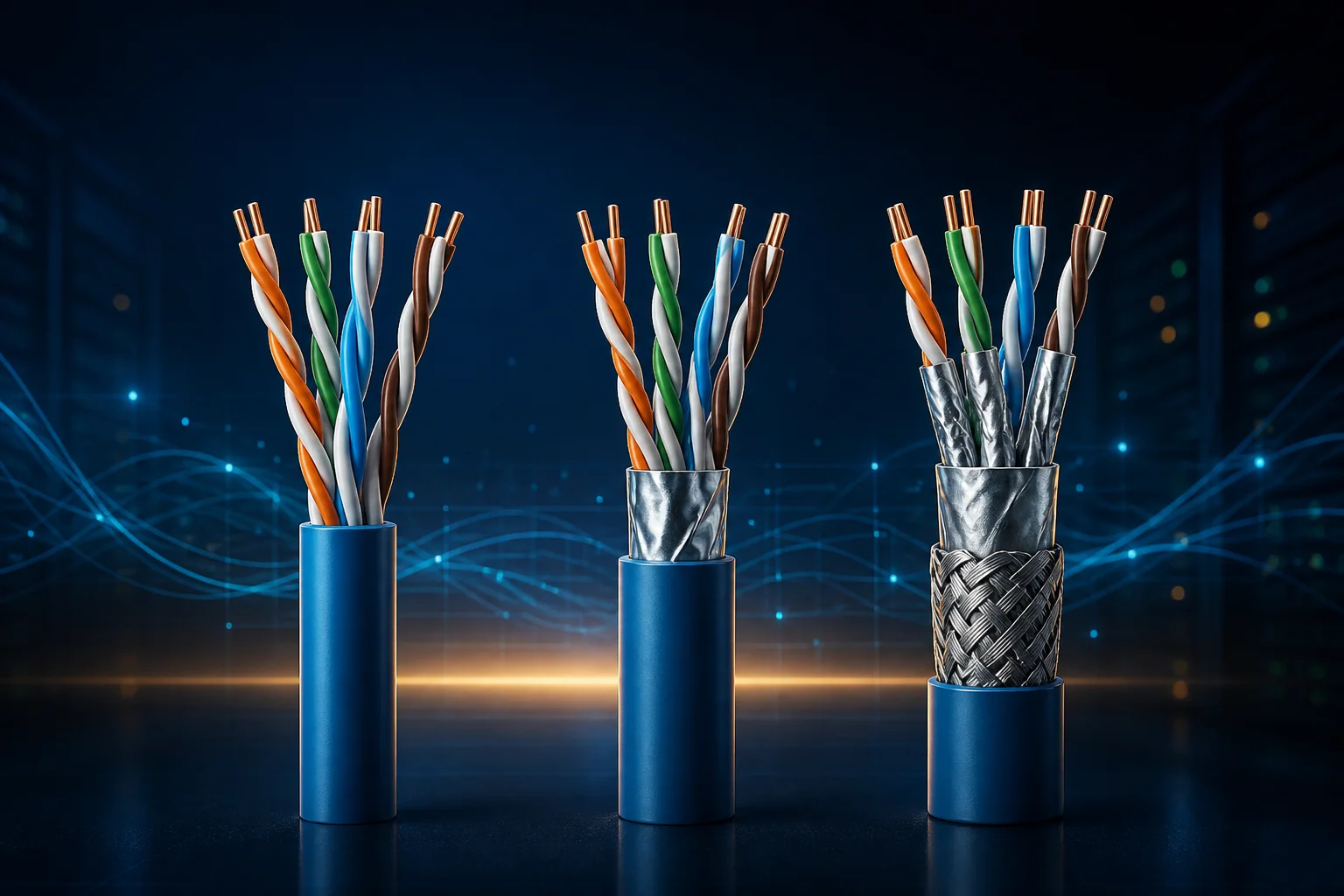
When comparing Cat5e, Cat6 and Cat6A, separate cabling performance, negotiated Ethernet rate and measured application throughput. A higher category la...
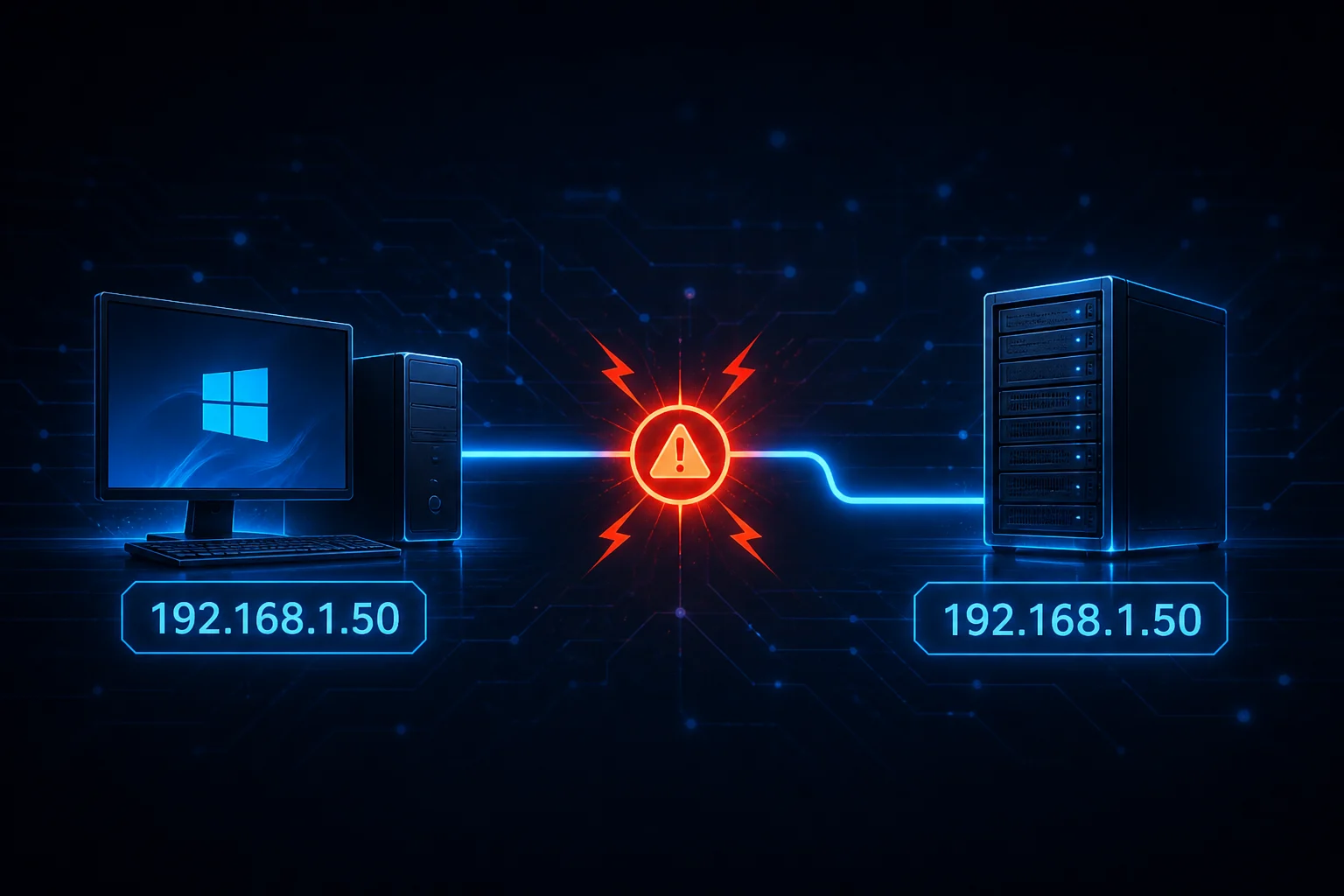
A ping reply does not establish an IP address conflict. Stronger evidence includes different MAC addresses claiming the same IPv4 address or repeated ...

An address conflict occurs when multiple devices unintentionally use the same address in the same local network context. This article focuses on commo...
Sponsors



Apps