



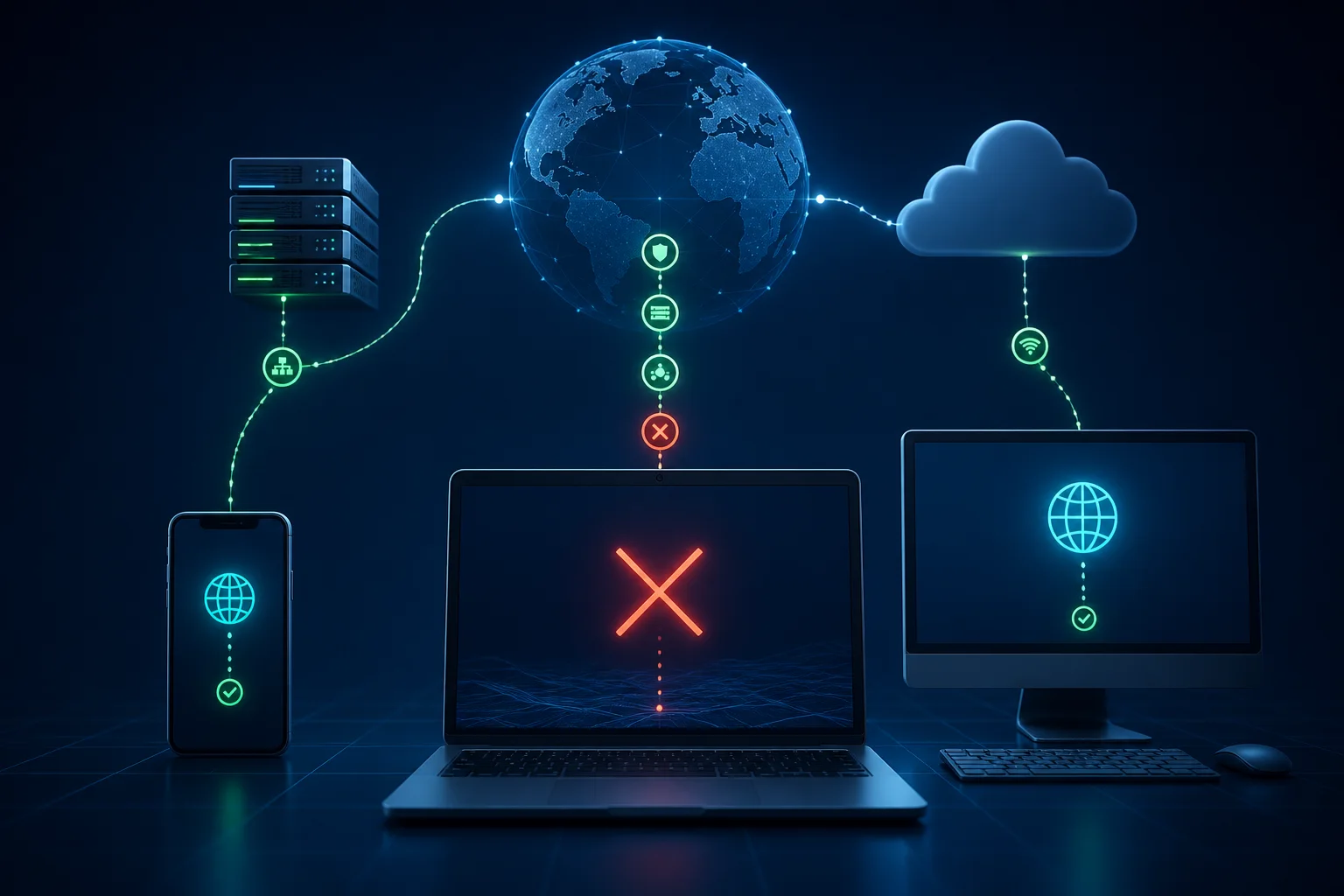




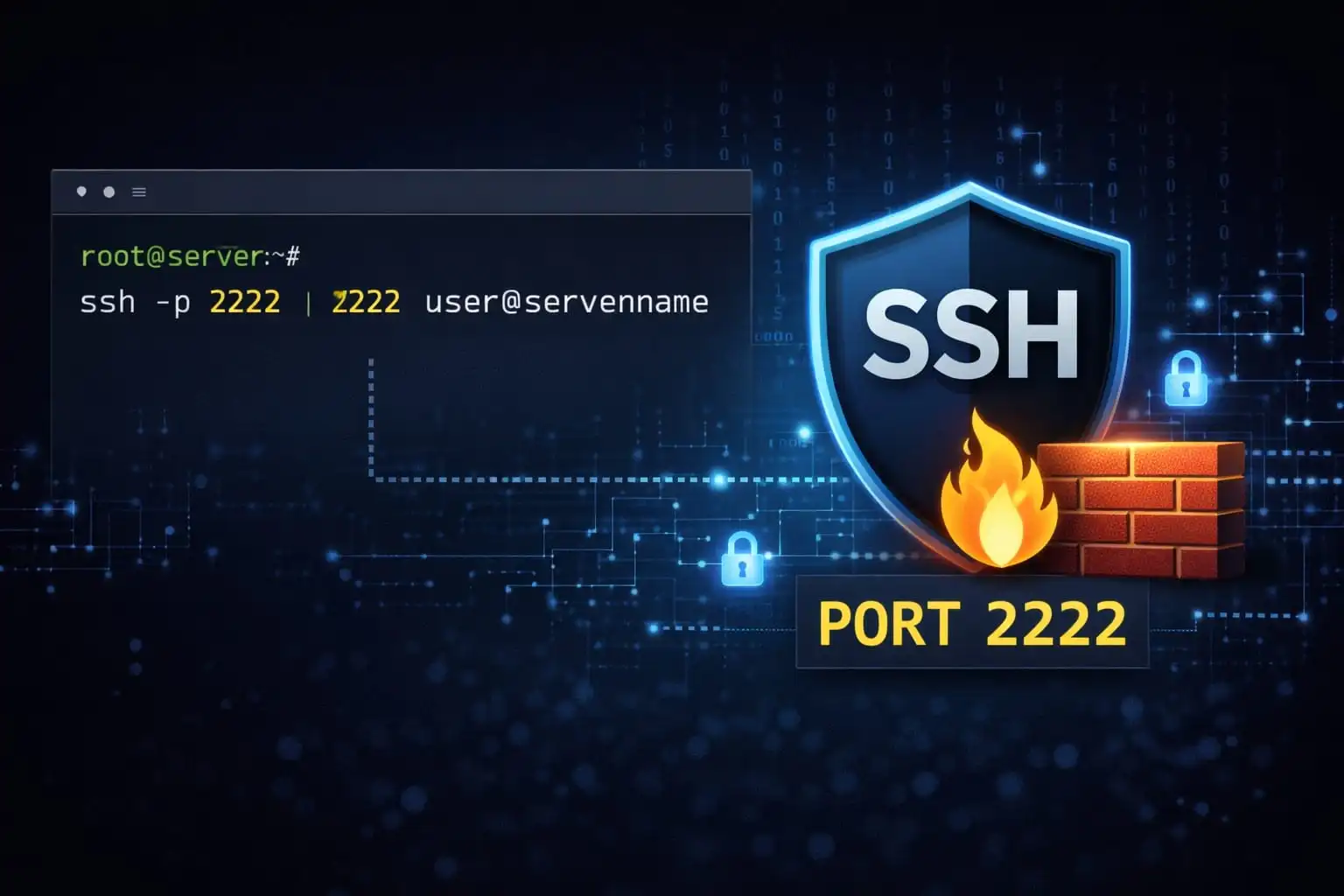
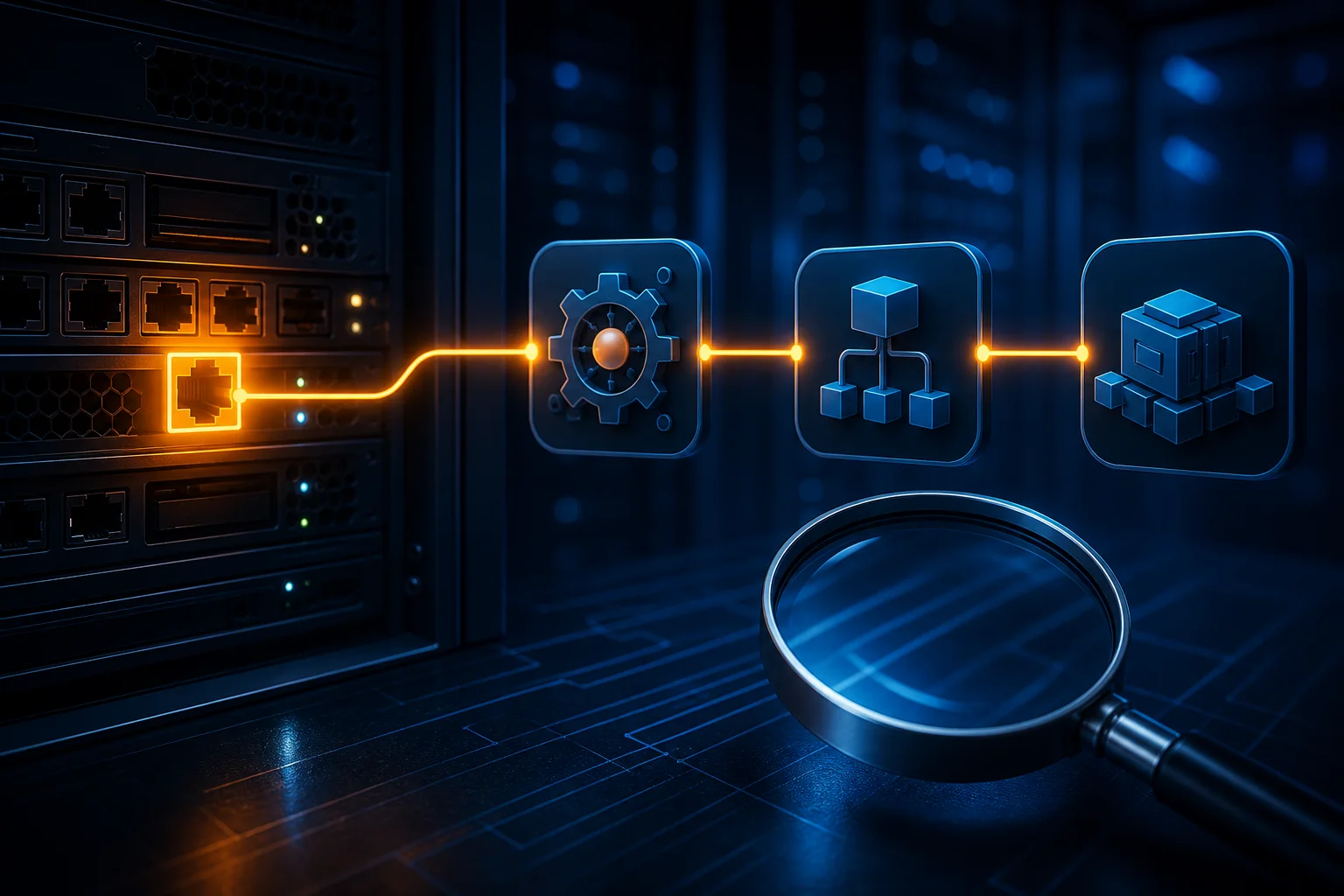

Ethernet is a technology family, not simply the cable plugged into a computer. It covers frame communication and multiple physical media, including tw...

The OSI model separates communication responsibilities into seven conceptual layers. It does not require every computer to run seven distinct programs...

Traceroute shows intermediate points that respond to its probes toward a destination. It is not a complete physical network map, and the first row con...

Ping sends ICMP Echo requests and reports whether replies arrive, together with their round-trip times. It does not test an HTTP response, establish t...

NAT translates IP addresses as traffic crosses between networks. A familiar home use lets several devices share a public IPv4 address, but that is not...

“Change my IP” can mean changing a computer's LAN address, the router's WAN address or the exit address a website sees. These are not necessarily the ...

An IP address identifies the destination interface, while a transport protocol and port help identify a communication endpoint. One server can run web...

A dynamic IP address does not necessarily change every time a device connects. It is assigned through a mechanism and policy that may keep the same ad...

When inspecting DNS, record which server received which record-type query, not just the returned address. Different resolvers can have different cache...

DNS is a distributed system for records associated with domain names. Finding a website's IP address is its best-known use, but mail routing and servi...

An IP address is not a permanent personal identity. It identifies a source or destination in IP communication, and one device can have several address...

A successful import message does not establish that the backup contains everything the application needs. The wrong database may have been selected, s...
Sponsors



Apps