
General Problems

When a user cannot sign in, restarting a domain controller is rarely a useful first test. Determine whether the failure affects one account, one works...

A server that restarted overnight has not necessarily suffered a blue-screen crash. Power loss, a hypervisor action, an administrator restart and a Wi...

A Windows server can be fully patched and still expose an unnecessary remote administration service. It can also have a carefully restricted firewall ...

When an application cannot reach a server, split the problem into smaller questions. Does the name resolve to the expected address? Can the client est...

A slow file copy, a database timeout and a long login can all involve storage, but they need not have the same cause. Start with the volume used by th...

A busy CPU during a scheduled report is different from a CPU that stays busy after the report finishes. Likewise, a database using a large amount of R...
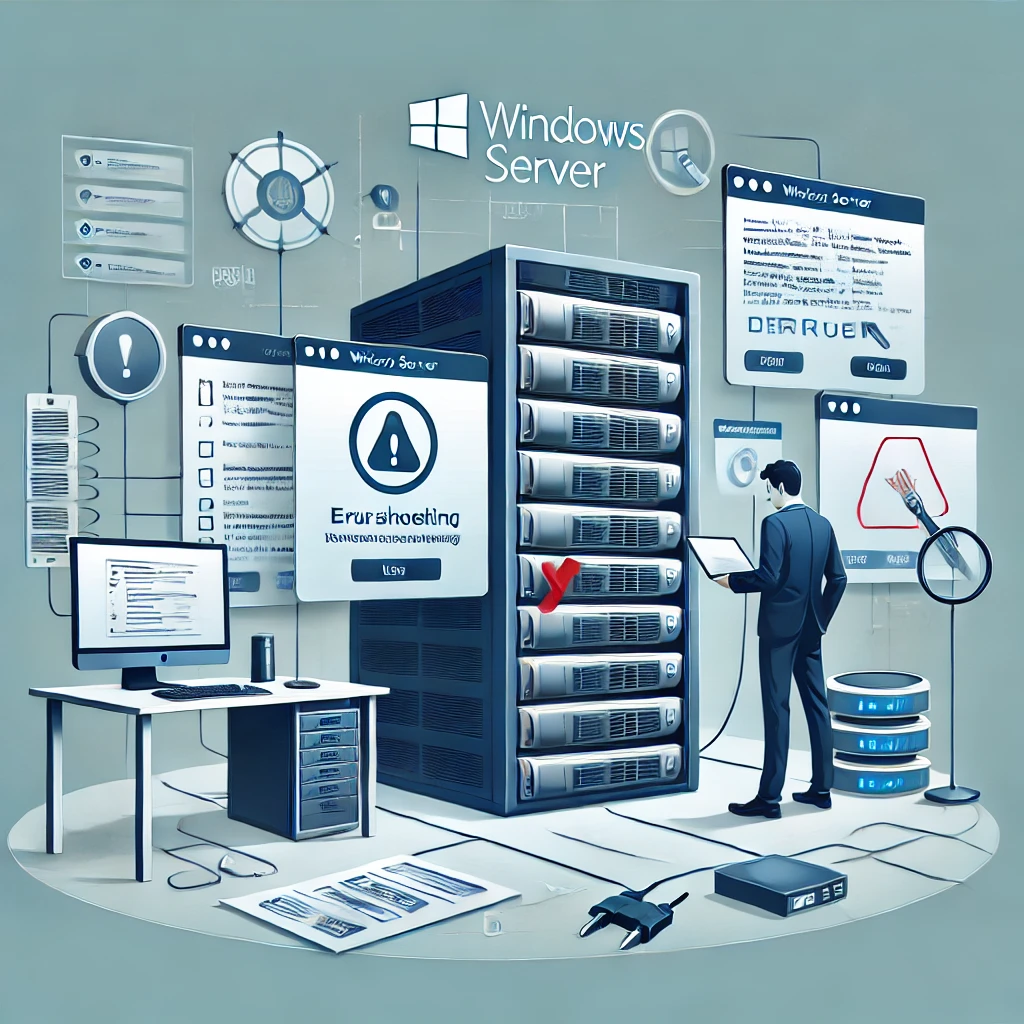
“The server is down” can mean several different things: a website returns an error, Remote Desktop cannot connect, a file share is slow, or the operat...

Server management is one of the most critical topics for system administrators and developers. Ensuring the stability of servers, improving performanc...
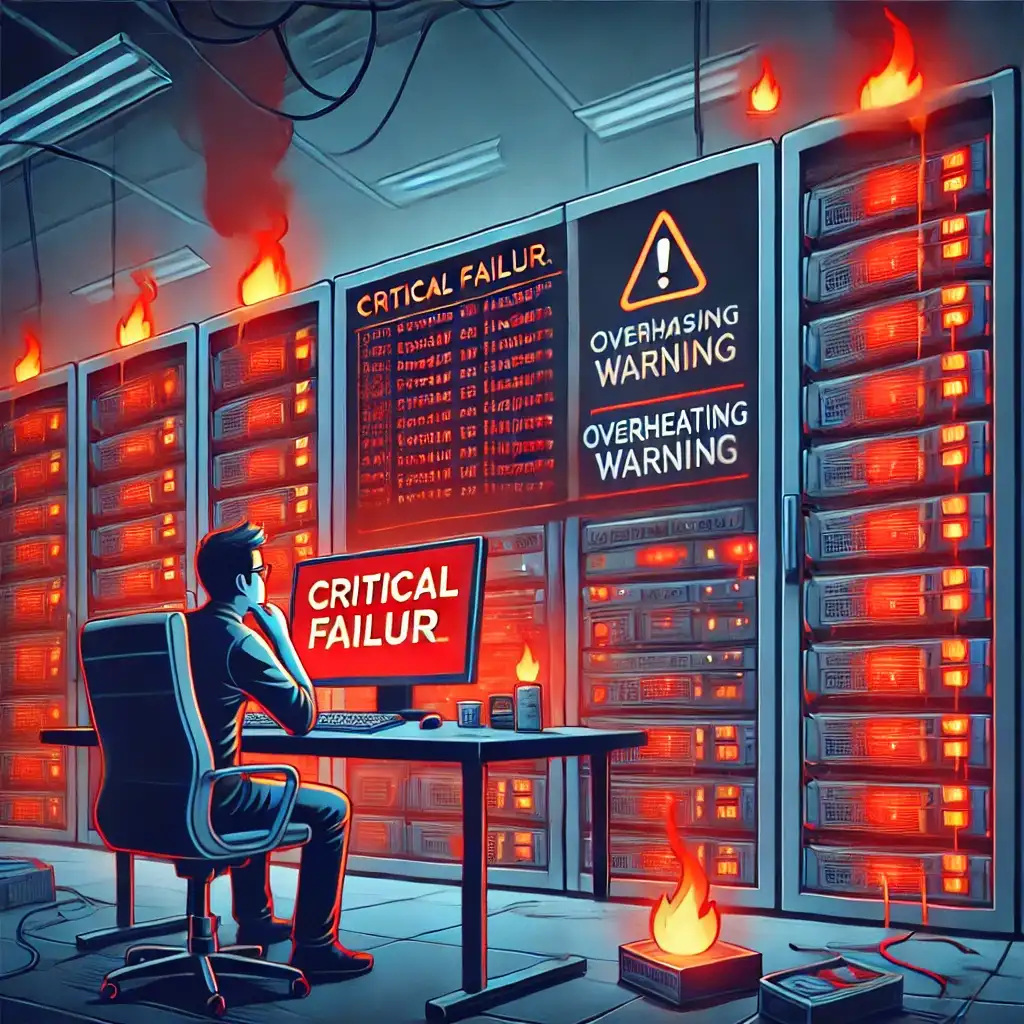
Server crashes can occur due to hardware failures, software conflicts, overloads, or security attacks. These crashes may result in significant data lo...

High CPU usage is one of the most common issues that directly affect server performance. Excessive CPU load can slow down the server, delay applicatio...
Sponsors



Apps